
Intermittent Fasting For Women Over 40: What I Actually Recommend
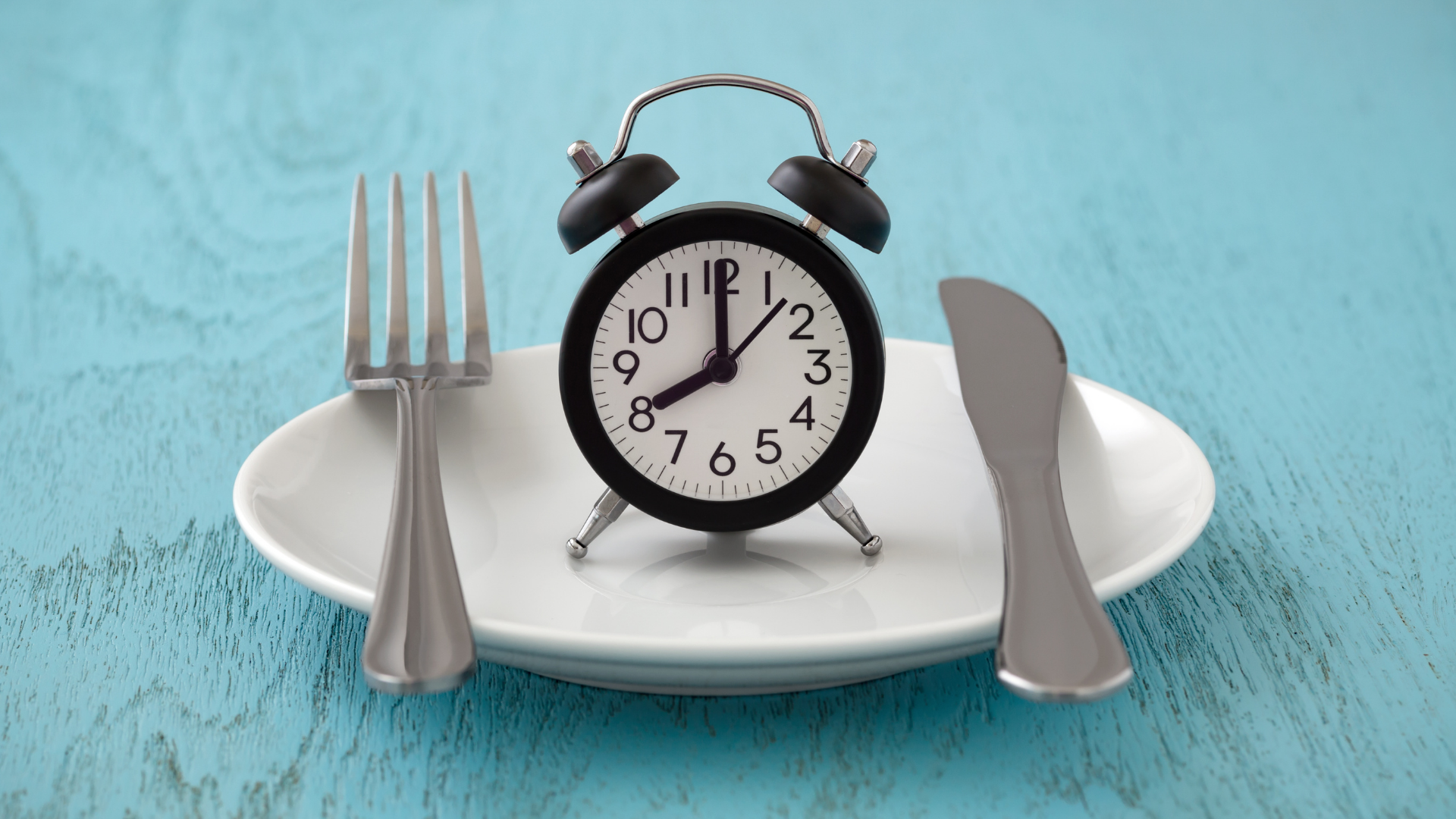
Intermittent fasting has become one of the most talked about topics in the health world over the last several years, especially for women over 40.
And honestly? I understand why.
Many women start noticing changes in their body during perimenopause and menopause. Energy feels different. Hunger feels different. Weight that used to come off easily suddenly feels much harder to lose. So naturally, women start looking for something that actually works.
But friend to friend… I think intermittent fasting gets misunderstood a lot.
Some people treat it like a magic fix. Others think it means starving yourself or skipping meals all day long. And then there’s the internet advice telling women they should fast for 20 hours a day while surviving on coffee and willpower.
That is NOT what I recommend.
What Intermittent Fasting Actually Is
At its core, intermittent fasting is simply creating intentional periods of eating and fasting throughout the day. Most women in FASTer Way follow a gentle fasting approach, usually around a 12-16 hour fasting window depending on the person, lifestyle, stress levels, hormones, and goals.
And honestly, many women are already naturally fasting overnight without realizing it. For example, if you finish dinner around 7 PM and eat breakfast at 9 AM, that’s already a 14-hour fast. That’s very different than forcing yourself into extreme fasting protocols that leave you exhausted, irritable, under-fueled, and obsessed with food.
Why FASTer Way Approaches Fasting Differently
One thing I appreciate about the FASTer Way approach to intermittent fasting is that it focuses on structure and consistency, not extremes. The goal is not to see how little you can eat or how long you can go without food. The goal is to create a sustainable eating rhythm that supports blood sugar balance, digestion, energy, and fat loss while still properly fueling your body.
As women get older, things like recovery, muscle preservation, blood sugar balance, sleep, stress management, and hormone health become increasingly important. This is one reason FASTer Way combines intermittent fasting with strength training, balanced nutrition, hydration, movement, and protein-focused meals instead of treating fasting like a standalone “diet.”
I also think this is where many women get fasting wrong online. They focus so heavily on the fasting window itself that they completely ignore the quality of what they’re eating during the rest of the day.
The Potential Benefits Of Intermittent Fasting
When done appropriately, intermittent fasting may help support:
blood sugar regulation
insulin sensitivity
digestion
reduced mindless snacking
fat loss
energy levels
But contrary to what social media sometimes promotes, intermittent fasting is NOT permission to under-eat all day long.
You still need enough protein.
You still need balanced meals.
You still need nourishment.
In fact, one of the biggest mistakes I see women make with fasting is accidentally turning it into restriction. They skip breakfast, barely eat throughout the day, then wonder why they feel exhausted, ravenous at night, or stuck with cravings. Your body still needs fuel, especially if you are strength training and trying to build or maintain lean muscle after 40.
Why Flexibility Matters After 40
This is also why I don’t believe intermittent fasting has to look identical for everyone.
Some women feel amazing with a longer fasting window. Others do much better with a gentler approach. Some naturally prefer eating later in the morning, while others truly feel better with breakfast.
There is no perfect fasting schedule that works for every woman, every hormone profile, or every season of life.
And honestly? That flexibility matters.
Because the best nutrition approach is not the one that sounds the most extreme online. It’s the one you can realistically maintain while still feeling energized, strong, and healthy.
I also think it’s important to remember that intermittent fasting is a tool… not magic.
Overall nutrition quality, strength training, protein intake, consistency, sleep, stress management, and movement still matter most long term.
Final Thoughts
Friend to friend… women over 40 do not need more extremes. They need realistic habits that support their hormones, metabolism, energy, muscle, and real life. And sometimes that looks less like “perfect fasting” and more like finally learning how to consistently fuel your body well.
*As always, it’s important to listen to your body and work with your healthcare provider if you have specific medical conditions, hormone concerns, blood sugar issues, or a history of disordered eating. What works well for one woman may not be the best fit for another, and that’s okay.
